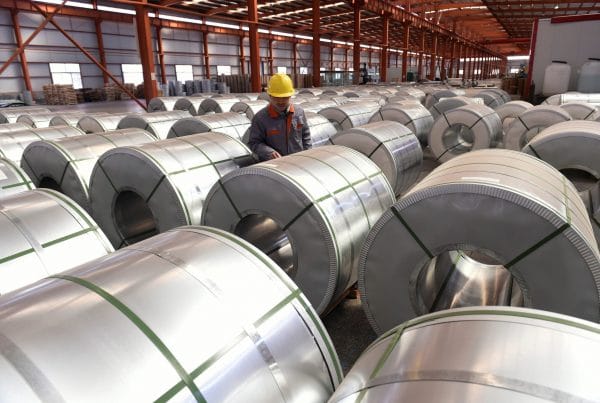

Since January 20, with the shutdown of Alcoa's tanks in San Cibrao, the workers, whom the company has promised will not face mass layoffs until at least 2026, will undergo training and perform maintenance work until operations resume in 2024.
As of Thursday, January 20, Spain will cease to produce primary aluminum. The last plant where this material was manufactured, Alcoa's plant in San Cibrao (Cervo, Lugo), will shut down its electrolysis tanks. However, secondary aluminum production will continue, based on remelting.
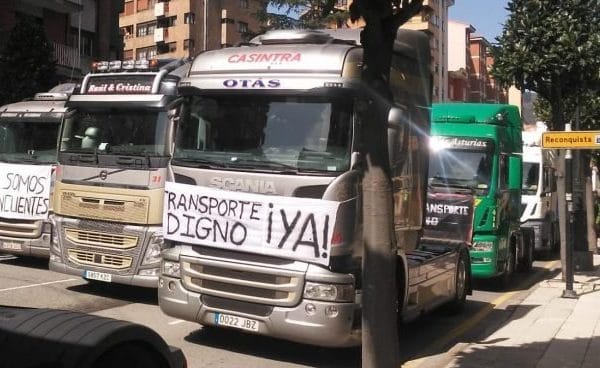
The measure is part of the agreement reached between the company and its workers after more than a year of conflict and frustrated sale negotiations. The workforce accepted the proposal, which represented a change in the multinational's strategy, with resignation. When they voted yes, they did so by choosing between "a bad solution and a worse one," according to the chairman of the works council, José Antonio Zan.
The script twist was written at the end of November 2021. Alcoa had announced its intention to close the primary aluminum plant almost a year and a half earlier—it has another alumina plant in the same region. Open talks mediated by the central government and the regional government of Galicia to sell the facilities to another producer failed time and time again. The Minister of Industry, Reyes Maroto, did not hesitate to point to the US-based company as responsible for the talks not bearing fruit.
Amid ongoing protests by workers, the government's refusal to intervene at the plant, and claims worth millions—it asked Alcoa to return €34 million in aid that was linked to maintaining employment—the company proposed what it called a "medium- to long-term" solution: to shut down the vats—the heart of the factory—for two years and restart them in January 2024; to maintain jobs and salaries and not carry out mass layoffs until at least the end of 2025; and to invest more than €60 million and set aside another €31 million for the restart of operations. It did so after the Supreme Court confirmed that the redundancy plan (ERE) it had proposed for more than 500 workers, with which it intended to shut down the vats a year ago, was null and void.
The workforce accepted the deal because the alternative could have been closure and further redundancies, but they saw it as "a heavy blow." Zan criticizes the central government and the regional government for the lack of alternatives. He particularly criticizes the former for not offering a "competitive" price for energy for the two years that the plant will be shut down. With an eye on 2024, he is negotiating electricity supply agreements with renewable energy companies such as Greenalia and Capital Energy. Once the tanks stop operating on Thursday, the workers will focus on maintenance and training. Restarting in two years' time will be a "technically difficult" process, says the chairman of the works council. "No one is going home; 100% of the workforce will continue to work," he stresses.
On the same day, the second meeting to monitor the situation at Alcoa will be held, with representatives from the authorities, workers, and the company. Zan is confident that the company will specify how and when the announced investments in the plant will be made. After the first meeting following the agreement with the workers, both Minister Maroto and the economic vice president of the Xunta, Francisco Conde, exchanged reproaches again, and neither of them expressed satisfaction with the proposed solution. Conde even cast doubt on Alcoa's commitment and said that there was no reason to "celebrate" since the plant is facing a temporary shutdown "if the company's promises are kept."
News from Eldiario.es