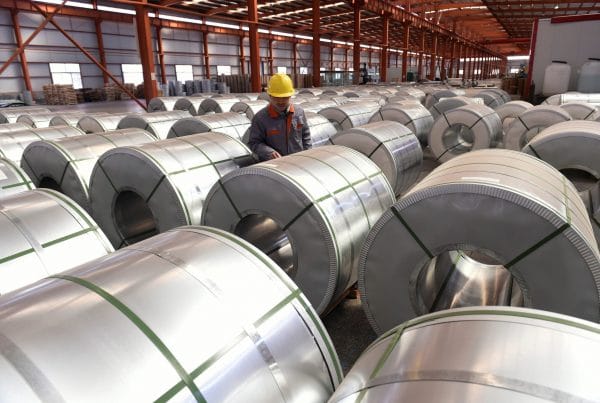

At the beginning of the year, it cost around $2,000 per ton, and now the price of magnesium is close to $14,000.
What is magnesium? Itis a "metallic, malleable chemical element that is very abundant in the Earth's crust. It is found in magnesite, talc, serpentine, and in the form of chloride in seawater,"according to the RAE.
It is used in pyrotechnics, medicine, and metallurgy, making this componentnecessary for steel or aluminum alloys used in car bodies or cans.
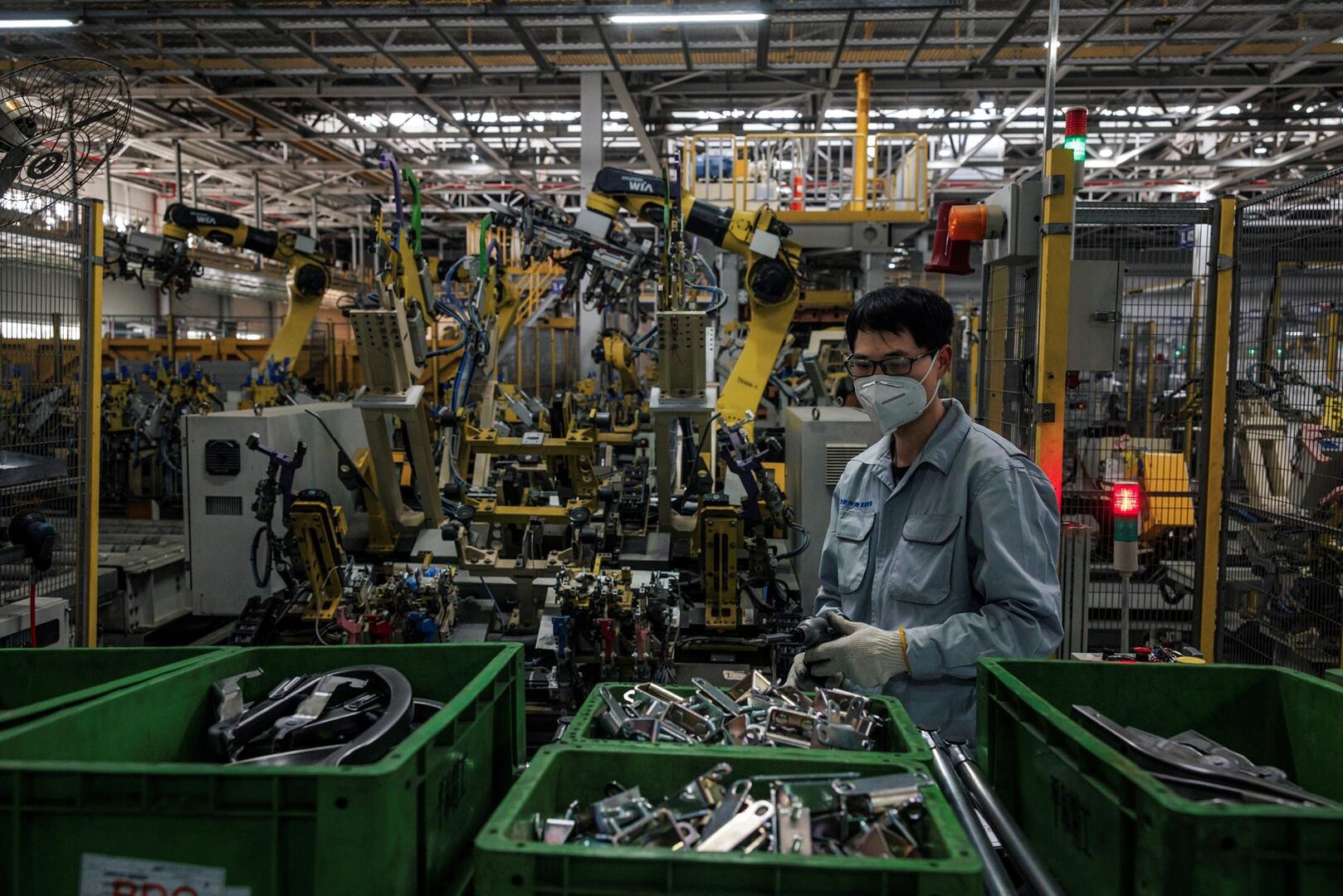
Magnesium now joins the list of other raw materials that are becoming scarce in the West. Its scarcity is threatening thousands of companies in Europe, their entire supply chain, and the millions of employees who depend directly on this material,which could be fatal for an industry that has been hit hard during the pandemic.
According toGreen Car Congress magazine, which specializes in energy and "sustainable" mobility,Europe buys 95% of its magnesium needs from China.In addition, China alone produces 87% of the world's supply and consumes 37% of global magnesium. Thus, if China continues to experience complications due to its energy and transportation problems, it could causemost of European industry to come to a standstill due to a lack of materials.Blackouts, rising prices, and shortages: the economic apocalypse that is putting the world in check.
The problem is such that a total of 12 European business associations have issued a statement explaining thedifficulties they are having with magnesium and asking governments for help.It has been signed by both automotive associations and can manufacturers.
The statement explains that theprice of magnesium at the beginning of the year was around $2,000 per ton (about €1,729), and now it is between $10,000 and $14,000 (€8,645 and €12,100). This means that magnesium has risen by 400%, making it difficult, if not impossible, for European companies to produce goods containing this raw material.
Thus, the statement warns thatEurope could run out of magnesium by the end of November, resulting in the loss of thousands of jobs and a complete halt in production. For this reason, the 12 associations that have signed the document are calling on the European Commission and national governments to urgently try to solve the problem by working with and taking immediate action with the Chinese government. Why microchips are still in short supply and who is affected

Magnesium is not the only material that is becoming more expensive and scarcein the automotive industry; there is also a shortage of cobalt and manganese. According to German car manufacturerBMW, demand for lithium batteries will increase tenfold by 2030. This poses another problem, asS&P Global Marketing and Intelligence points out, since the materials needed to manufacture lithium batteries, such as cobalt and manganese, have become more expensive. The environmental obsession driven byAgenda 2030, together with supranational bodies and national governments, is exacerbating the problem.
Magnesium also threatens the canning industry
But it is not only the automotive sector that is being affected by this problem. Other companies that use magnesium alloys will also suffer. In fact, Spain will be one of the most affected countries in the EU, as according to ANFACO,Spain is the leading producer of canned fish and the second largest producer of tuna in the world. Added to this is the 450% increase in the price of electricity so far this year.
This is how Juan Vieites, secretary general of ANFACO-CECOPESCA, explains it toLibre Mercado. "The most widely used lightweight metal containers are tinplate and aluminum, and both contain alloys that use magnesium in their manufacture," he points out. This could affect canned fish and seafood,furthercomplicatingthe existing complexities in the market. ANFACO-CECOPESCA is a private, non-profit business association that represents and defends the sectoral interests of the marine and food cluster.
Vieites is aware that "trade is global and decisions in third countries have a direct impact on our economy and position in the value chain." The best solution for him is "to return to greater normality in logistics chains, as well asto advance vaccination on a global scale to avoid specific closures or slowdowns in industrial and economic activity." He adds, "we just want to be able to work" and that we must learn from certain mistakes and value within the Next Generation "greater industrialization of the economy and try to boost strategic sectors, such as aluminum manufacturing in Spain and Europe, together with high-value innovative projects."
According to theFinancial Times,Brussels is already working to make theEuropean Union and its supply chain less dependent on communist China, as well as being in talks with the Asian giant to try to alleviate the magnesium situation.
Quick solutions seem difficult to find in a climate of global uncertainty, where energy is also beginning to become scarce. The direct causes are environmental policies that have driven up the price of energy, hampering production and leading to a shortage of raw materials.
via libremercado.com